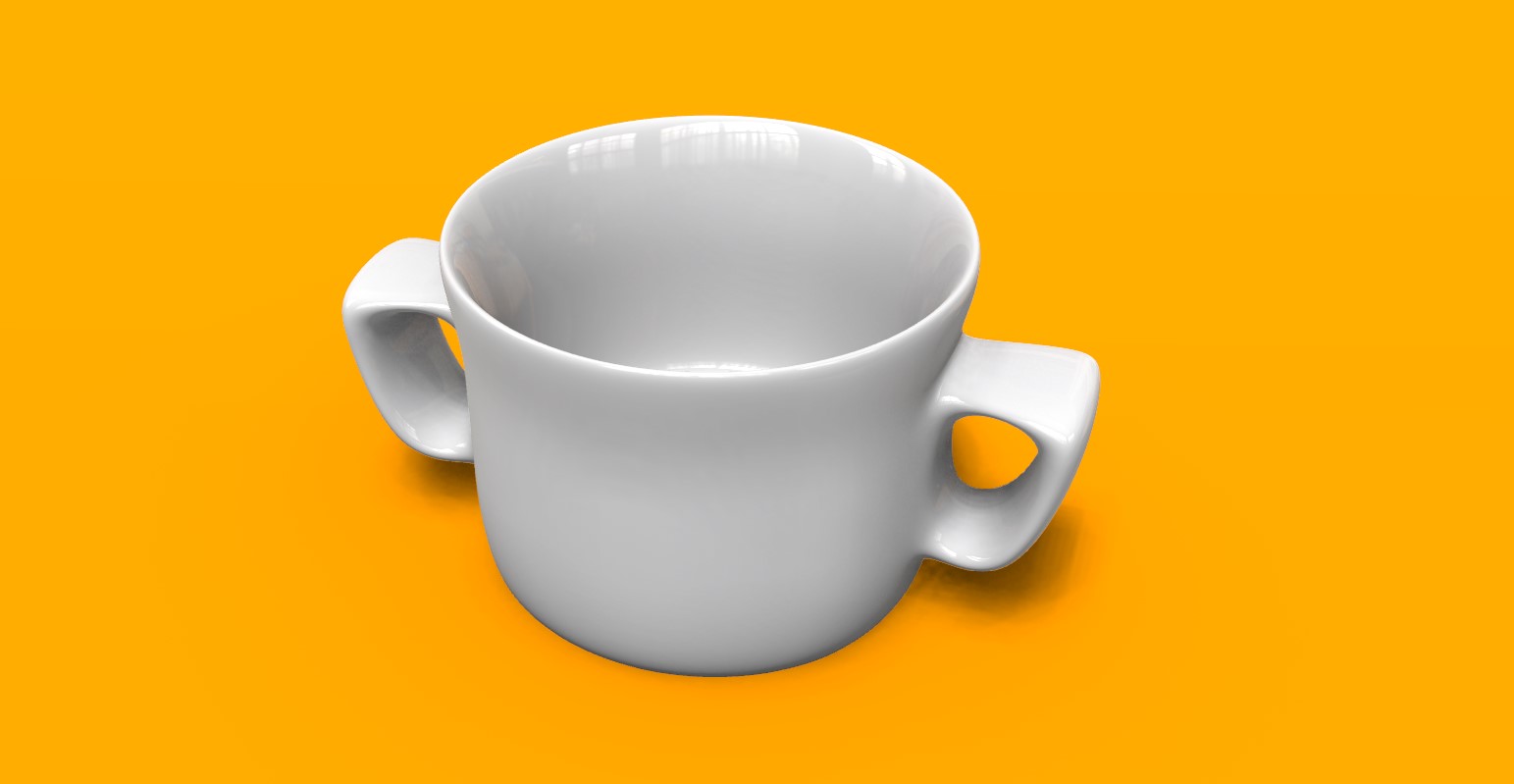
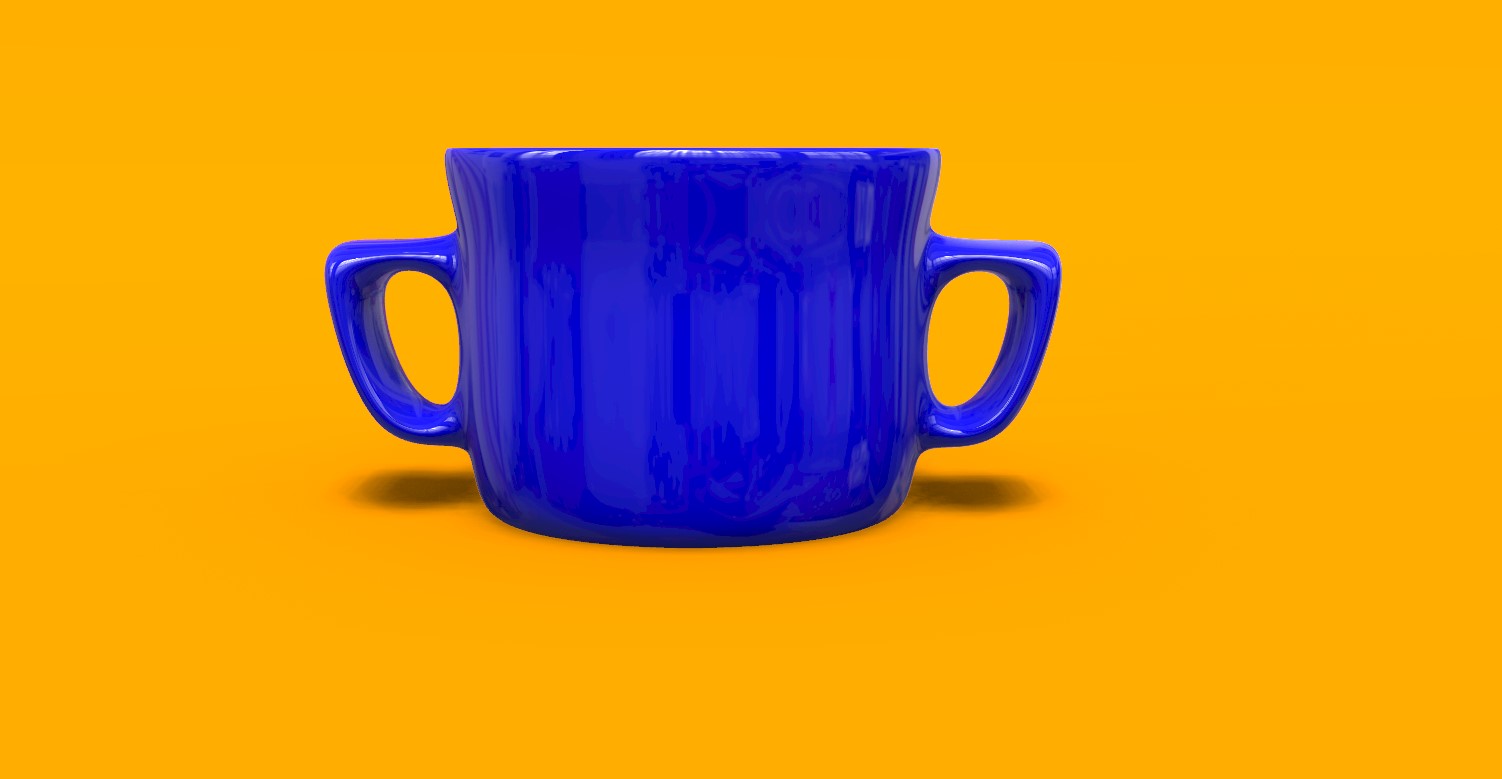

I would remove the oversaturated orange background (let your product be the “hero”), and also reduce the saturation of the almost “radiant” blue and red glaze. Then, use subsurface scattering for your porcelain or stoneware material, because light penetrates and is scattered inside the porcelain (bisque and glazed) and thin stoneware including the layer of glazing (but not terracotta and earthenware), and that will help you quite a bit with the realism.
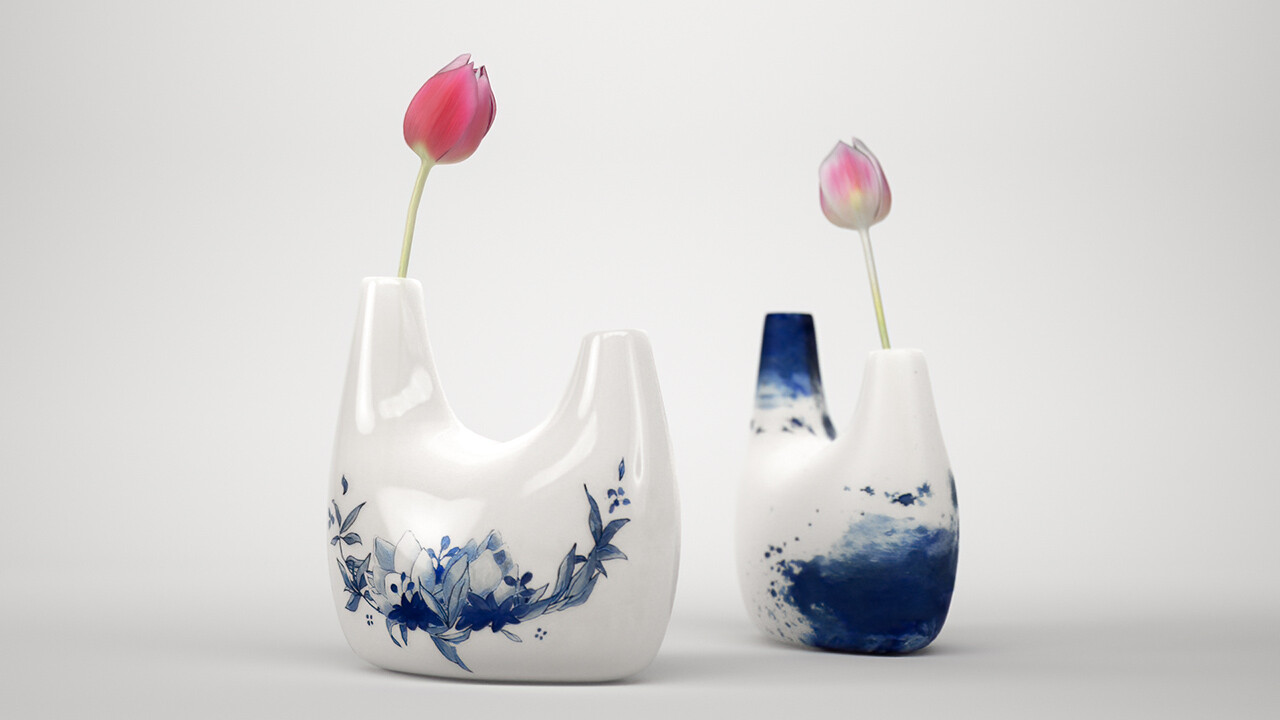
Thank you, Lagom, for the tips. I will give it a try. Take care!
Maxwell render?
Yes, that was MR.
Are you still using this program? Do you have experience with the current version for Rhino 8?
I still use it a lot, but not with plug-ins (the data mostly comes from Alias, Creo, Fusion, or Rhino).
Do you have a portfolio of renders? I would like to compare the quality of the current Maxwell renderer with other rendering engines. And it seems to me that you are good at working with Maxwell render.
maxwell has an extensive gallery of images… they are and have been for awhile, quite impressive.
If you like maxwell, you may also want to check out Bella.. @jdhill is the man driving that product and he’s the same mad genius who brought us the maxwell plugin for Rhino way back when.
Maverick and Octane are also worth a look which is not to diminish our own cycles based renderer. I use it every day and have come to like it quite a bit.
I’m sad that this once revolutionary rendering engine has stopped being developed. 
Yes, I love Bella render, it’s my main rendering engine. I can’t imagine what I would render in if it weren’t for Bella renderer. Octane has a terrible UI, I once tried Maverick as an Arion renderer, and I consider Cycles to be a basic renderer - although it’s damn fast with a powerful GPU. Thea render in version 4.5 doesn’t look bad either. 
yep, I see render engines like art supplies, or camera lenses… they all do a thing a little different than the other thing. Personally I like having 4-5 of them in my tool bag so I can play with different looks.
my current plaything is Runchat and Vizcom. I’ve seen very impressive results so far from both. They make me feel like traditional renderings days are numbered.
I have tried both of these AI services. They are good for quick design concepts, but in my experience they cannot render a finished design. Besides, I like to be creative myself and I enjoy setting up and rendering a scene over which I have 100% control. AI will do everything for me in 5 years, it is the same as if I had my projects created by another person today. But this is getting into the realm of philosophy. Traditional renders will be around for a long time and thanks to better hw and faster rendering times they will still be important.
What’s there to develop? If you want proper photos, MR has all the tools since like forever, just like Lumion or D5 have now. Like in real photography or cinematography, all you need is a proper camera lens model, proper lighting, proper textures. If you know how to take a good photo, you know how to generate a good render.
Of course, it depends a lot on the sector you work in, and why you need to do renderings, and what type of renderings, and at what cost basis; in industrial design, apparel design, architecture, interior styling, jewellery design, boat design, or ship design, studios often have quite different requirements.
I think it is fair to say that the maxwell render shows off maxwells power in a great way! Stellar stuff, and nothing but. I used it back in 2011 and when ever I hit render something nice came out, even if the scene wasn’t very interesting. Cool stuff.
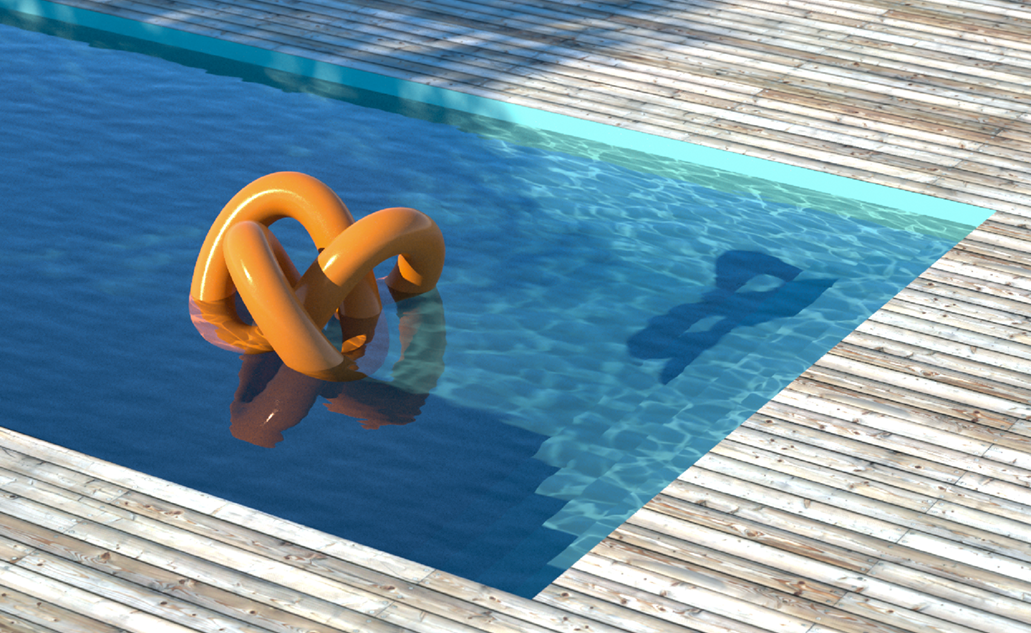
If Maxwell render were to continue to be developed, I would especially like: an increase in rendering speed, adding support for modern 4000 and 5000 series GPUs, improving GPU performance (switching from CUDA to Optix), improving VRAM usage, switching to modern OIDN type denoisers, etc. Improved plugin implementation, especially for Rhino. Full caustic effects (for example, pool caustics) and other modern features.